
Export pine bark is becoming an increasingly relevant topic in the international horticultural and landscaping industries as demand for natural growing media and organic mulch continues to develop. Pine bark is widely used in gardening, nursery operations, soil improvement, and decorative landscaping. Its versatility has encouraged producers and distributors to explore overseas markets, where buyers seek consistent quality, reliable supply, and materials that meet specific technical requirements.
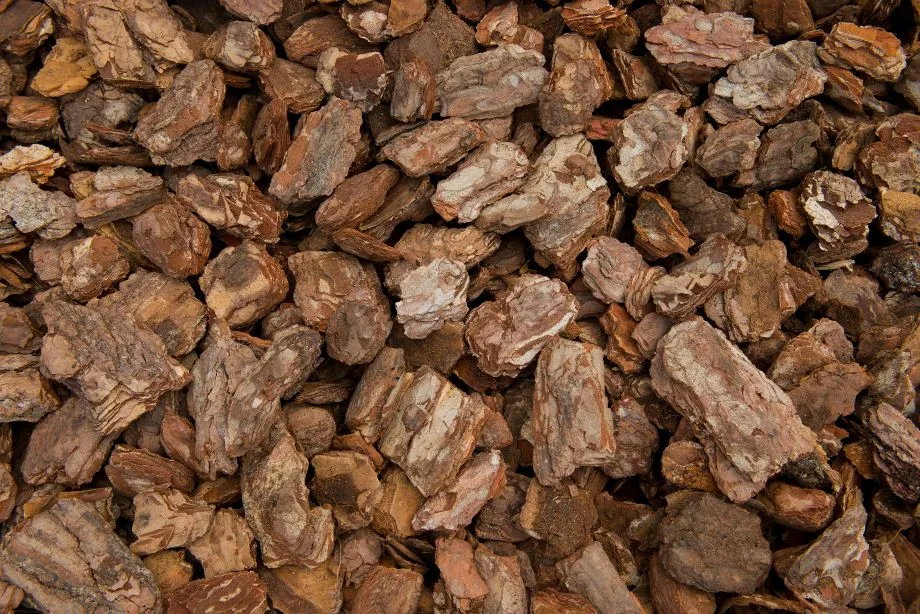
The growth of international trade in horticultural materials is influenced by several factors, including expanding nursery businesses, urban landscaping projects, and consumer interest in natural gardening products. Pine bark offers opportunities for suppliers because it can be processed into different grades and particle sizes for various applications. However, entering international markets requires more than access to raw materials. Exporters must understand product specifications, packaging standards, logistics, documentation, and destination-market regulations.
Understanding Export pine bark and Its Commercial Value
Pine bark is the outer protective layer of pine trees. It is commonly collected as a by-product of forestry and timber-processing activities, then processed into materials for horticulture and landscaping.
Depending on its intended use, the bark may be screened, chipped, composted, or processed into different particle sizes. These variations determine its suitability for applications such as mulch, growing media, and decorative ground cover.
The commercial potential of export pine bark is closely connected to the material’s versatility. Different customers require different specifications, making product grading and quality control important parts of the supply chain.
Main Applications in Horticulture
Pine bark is widely used as a growing-media component in nurseries. When appropriately processed, it can contribute to the physical structure of growing substrates by supporting air movement and drainage.
It is also used as mulch around trees, shrubs, and ornamental plants. A layer of bark can help reduce direct soil evaporation, limit weed growth, and protect the soil surface from certain environmental conditions.
In landscaping, decorative pine bark is valued for its natural appearance. It can be used in garden beds, pathways, and outdoor spaces where an organic ground-cover material is preferred.
Factors Driving International Demand Export pine bark
International demand for horticultural materials is influenced by changes in agriculture, landscaping, and consumer preferences. Nurseries require suitable growing media for plant propagation, while landscaping contractors need materials that meet project specifications.
Expansion of Nursery and Greenhouse Industries
Commercial nurseries and greenhouse operators require growing media with predictable physical characteristics. Particle size, moisture content, air-filled porosity, and water-holding capacity can all influence plant production.
Processed pine bark can be incorporated into growing-media blends, depending on the plant species and production system. This creates opportunities for suppliers serving professional horticultural customers.
Growing Interest in Organic Mulch
Export pine bark, Many homeowners and landscaping businesses prefer organic materials for garden beds and outdoor decoration. Pine bark is one option among several organic mulches, including wood chips, compost, and other plant-based materials.
The international market for export pine bark therefore includes buyers with different priorities. Some focus on decorative appearance, while others prioritize technical performance for nursery production.
Quality Standards and Product Specifications
Product quality is one of the most important considerations in international trade. Buyers need materials that are consistent, suitable for their intended applications, and accompanied by accurate technical information.
Particle Size and Screening
Pine bark can be supplied in fine, medium, or coarse grades. Fine particles may be appropriate for particular growing-media formulations, while larger pieces are often used for surface mulch and decorative applications.
Screening helps separate material into defined size categories and remove excessive fines or unsuitable debris. Exporters should provide clear descriptions of particle-size ranges rather than relying on general terms such as small, medium, or large.
Moisture Content and Storage
Moisture content affects product weight, storage requirements, and transportation costs. Excessive moisture can also increase the risk of mould development and deterioration during storage.
For this reason, suppliers should monitor drying and storage conditions. Materials should be protected from rain and excessive humidity before packaging and shipment.
Cleanliness and Contamination Control Export pine bark Export pine bark
Pine bark intended for horticultural use should be free from unacceptable levels of foreign materials. Stones, plastic, metal fragments, and other contaminants can reduce product quality and create problems for customers.
Depending on the destination country and intended use, additional phytosanitary or biosecurity requirements may apply. Exporters should verify these requirements before arranging shipments.
Preparing Export pine bark
The process of export pine bark involves several stages, from raw material collection to international delivery. Each stage can influence product quality and customer satisfaction.
Raw Material Collection and Processing
The supply chain begins with collecting pine bark from suitable forestry or timber-processing sources. The material is then transported to processing facilities, where it may undergo sorting, crushing, screening, and drying.
A controlled production process helps maintain consistent product characteristics. Suppliers should also establish procedures for identifying unsuitable raw materials and preventing contamination.
Packaging Options
Packaging depends on the product grade, customer requirements, and transportation arrangements. Common options include bulk shipments, large bags, and smaller retail-oriented packaging.
Bulk packaging may be suitable for industrial customers and large landscaping projects. Smaller bags can serve garden centres, distributors, and retail markets.
Packaging should protect the material from moisture, contamination, and physical damage during handling. Clear labels can also help identify product grade, weight, origin, and other relevant information.
Logistics and International Trade Considerations Export pine bark
International shipments require careful coordination between suppliers, freight forwarders, customs authorities, and importers. Pine bark can be bulky, so transportation efficiency is an important part of export planning.
Freight and Container Utilization
Because pine bark is relatively lightweight compared with many other commodities, shipments may be limited by container volume rather than maximum weight. Particle size, moisture content, and packaging design can affect how efficiently containers are loaded.
Exporters should calculate the volume and weight of each shipment before confirming freight arrangements. Proper loading practices can help reduce product movement and packaging damage during transportation.
Export Documentation and Biosecurity
International trade documentation varies according to the exporting country, destination, product classification, and shipment arrangement. Common documents may include commercial invoices, packing lists, bills of lading, and certificates of origin where applicable.
Plant-based materials may also be subject to phytosanitary controls. Importing countries can impose requirements relating to pests, soil contamination, treatment, inspection, or certification.
Businesses involved in export pine bark should consult the relevant national plant protection organization and destination-country authorities before shipping. This helps reduce the risk of customs delays, rejected consignments, or additional treatment costs.
Challenges Facing Pine Bark Exporters
Despite its commercial potential, the international pine bark trade involves several challenges.
Supply Availability and Seasonal Factors
The availability of pine bark depends on forestry operations, timber production, and local processing capacity. Changes in raw material supply can affect production schedules and export commitments.
Long-term supplier relationships and realistic purchasing forecasts can help businesses manage these variations.
Product Consistency
Differences in raw material sources and processing methods may result in variations in colour, particle size, moisture, and physical structure. These differences can create difficulties for buyers who need consistent inputs for commercial growing-media production.
Quality control procedures, batch records, and representative product samples can help improve confidence between suppliers and customers.
Competition and Transportation Costs
Exporters may compete with local producers and suppliers from other countries. Freight rates, packaging expenses, customs procedures, and currency fluctuations can influence the final landed cost.
Businesses should therefore evaluate total supply-chain expenses rather than focusing only on the raw material price.
Opportunities for Sustainable Horticultural Supply Chains
The development of export pine bark can create opportunities to add value to forestry and timber-processing residues. Instead of treating bark solely as a low-value by-product, processing facilities can develop graded products for horticultural and landscaping markets.
However, responsible sourcing remains essential. Suppliers should ensure that bark is obtained through lawful and appropriately managed forestry activities. They should also consider processing efficiency, transportation impacts, and waste management.
Manufacturers can strengthen their market position by investing in screening equipment, moisture-control systems, packaging improvements, and documented quality-management procedures.
Building Reliable International Partnerships
Successful international trade depends on cooperation between producers, exporters, distributors, and end users. Buyers need clear product specifications, dependable delivery schedules, and responsive communication.
For suppliers, understanding customer requirements is equally important. A nursery may need a specific particle-size range for growing media, while a landscaping distributor may prioritize appearance and packaging.
The future of export pine bark will depend on the ability of businesses to combine product quality, responsible sourcing, efficient logistics, and compliance with international trade requirements. Companies that understand these factors can develop stronger commercial relationships and respond more effectively to changing horticultural market needs.
As global interest in gardening, landscaping, and professional plant production continues to evolve, pine bark remains a useful material with diverse applications. Careful processing and transparent supply-chain management can help transform this forestry by-product into a competitive horticultural commodity.
For more information about Export pine bark products and biomass solutions, please contact WhatsApp (+62) 812-1233-3590 or email sales@arlion.co.id.
