
Pine bark harvest is gaining attention as businesses and forestry operators look for ways to maximize the value of forest resources while supporting more sustainable production practices. Pine bark, traditionally regarded as a by-product of timber processing, has become a valuable raw material for horticulture, landscaping, soil improvement, and selected industrial applications. As demand for natural growing media and organic materials develops, responsible harvesting and processing practices are becoming increasingly important for maintaining resource availability and product quality.
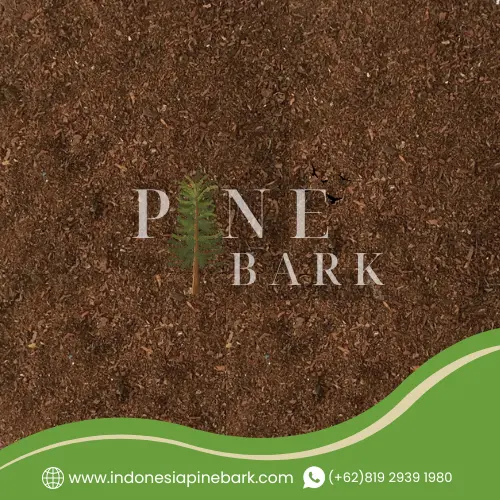
The Growing Value of Pine Bark
From Forestry By-Product to Commercial Resource
Pine trees are widely cultivated and managed for timber, paper production, and other forestry-related activities. During logging and wood processing, bark is often separated from the main timber because it is unsuitable for many conventional wood products. Instead of treating this material solely as waste, producers can process suitable bark into commercially useful products.
The growing interest in organic horticultural materials has helped expand the market for pine bark. Garden centers, nurseries, landscaping companies, and commercial growers use processed bark in applications ranging from decorative ground cover to specialized growing media. Its physical structure can help create air spaces in growing substrates, while larger pieces can reduce direct soil exposure and help limit moisture loss.
However, the commercial value of bark depends on its source, cleanliness, particle size, and processing method. Responsible pine bark harvest operations must therefore consider both the availability of raw material and the requirements of the industries purchasing it.
Understanding Different Bark Applications, Pine bark harvest
Pine bark can be processed into different grades depending on its intended use. Coarse particles are often used as landscaping mulch, while smaller, screened fractions may be incorporated into horticultural substrates. Some products require additional processing to achieve consistent particle distribution and remove unwanted debris.
For nursery production, the physical characteristics of bark are particularly important. Particle size influences drainage, aeration, and water retention. Growers must select a grade that matches the plant species, container size, irrigation practices, and other components of the growing medium.
The market also includes decorative bark products designed for gardens, parks, and commercial landscapes. These products are valued for their natural appearance and ability to cover exposed soil. Their performance, however, depends on local weather, installation depth, and maintenance requirements.
How Pine Bark Is Collected and Processed
Responsible Collection Practices
Bark collection can take place at different points in the forestry supply chain. In many commercial operations, bark is recovered when harvested logs are processed at sawmills or debarking facilities. This approach can make use of material already separated during timber production, reducing the need for additional collection activities.
In contrast, removing bark directly from living trees requires careful consideration. Excessive bark removal can damage trees, interfere with their transport of water and nutrients, and increase their vulnerability to pests and disease. Commercial operations should therefore follow applicable forestry regulations and avoid practices that threaten tree health or ecosystem stability.
A well-managed pine bark harvest system begins with identifying an appropriate source and establishing clear collection procedures. Operators should assess the volume and condition of available material, organize safe handling, and ensure that the bark is not contaminated with chemicals, treated wood residues, or other unsuitable substances.
Sorting, Grinding, and Screening
After collection, bark may contain soil, stones, branches, and other unwanted materials. Initial sorting helps remove these contaminants before further processing. Depending on the product specification, the bark can then be chipped or ground into smaller particles.
Screening equipment separates the material into different size categories. This step helps manufacturers produce consistent grades for mulch, growing media, and other applications. Oversized pieces may be returned for further processing, while unsuitable fractions can be separated for alternative uses where appropriate.
Moisture management is another important consideration. Fresh bark may contain substantial moisture, affecting transportation costs, storage stability, and processing efficiency. Drying may be necessary for certain applications, but the required level depends on the final product and its intended use.
Benefits for Horticulture and Landscaping
Improving Growing Media Structure
Pine bark is widely used in horticulture because its physical structure can contribute to a balanced growing environment. Depending on particle size and preparation, it can increase air-filled pore space and improve drainage in container substrates. These characteristics are particularly relevant for plants that are sensitive to waterlogged roots, Pine bark harvest.
Nevertheless, bark is not a universal replacement for other growing media ingredients. Its properties vary with tree species, particle distribution, age, and processing. Some bark materials may contain compounds that affect plant growth or may temporarily influence nitrogen availability during decomposition. Appropriate aging, composting, or other preparation methods may be necessary for specific uses.
Growers should evaluate the material before incorporating it into production systems. Testing drainage, water retention, pH, and other relevant characteristics can help determine whether a particular grade is suitable for the crop.
Supporting Landscape Management
In landscaping, bark mulch is often applied around trees, shrubs, and ornamental plants. A properly installed layer can help moderate soil temperature, reduce evaporation, and suppress some weed growth. As the material gradually decomposes, it also contributes organic matter to the soil surface, Pine bark harvest.
Landscape professionals must select an appropriate particle size and application depth. Mulch should generally be kept away from direct contact with tree trunks to avoid creating persistently damp conditions around the bark. Maintenance may involve replenishing the layer as decomposition and weather gradually reduce its thickness.
Demand from landscaping businesses can create opportunities for suppliers that provide consistent material, dependable delivery, and clear product specifications.
Environmental Considerations and Sustainability
Reducing Waste Through Resource Recovery
Recovering bark from timber processing can support more efficient use of harvested wood. Instead of sending suitable material directly to disposal, businesses can redirect it into horticultural products and other applications. This approach may improve resource efficiency and create additional revenue streams for forestry and wood-processing companies,Pine bark harvest.
The environmental benefits depend on how the material is sourced, processed, transported, and ultimately used. Energy-intensive grinding or drying, long transport distances, and inefficient packaging can increase the overall environmental footprint. Businesses should assess these factors when developing a sustainable supply strategy.
A responsible pine bark harvest program should also maintain traceability. Records identifying suppliers, collection locations, processing batches, and delivery destinations can help buyers verify material origins and improve accountability throughout the supply chain.
Protecting Forest Ecosystems
Forest management must balance commercial production with biodiversity, soil protection, and ecosystem health. Bark recovered from existing timber-processing operations can offer a practical route to material recovery, provided that the underlying timber supply comes from lawful and responsibly managed sources, Pine bark harvest.
Removing organic material from forest environments without appropriate assessment may affect nutrient cycling and habitat conditions. For this reason, collection strategies should be based on local ecological requirements rather than assuming that every available bark resource should be extracted, Pine bark harvest.
Businesses can strengthen their sustainability practices by working with responsible suppliers, complying with relevant regulations, and monitoring the environmental impacts of their operations.
Market Opportunities and Industry Challenges
Meeting Customer Quality Requirements
Buyers increasingly need materials that perform consistently across different batches. Variations in particle size, moisture, contamination, and decomposition can influence product suitability. Suppliers should establish quality-control procedures that include incoming material inspection, screening standards, and appropriate storage conditions, Pine bark harvest.
Clear product descriptions are equally important. Customers should understand whether the bark is raw, aged, composted, screened, or blended with other ingredients. Accurate labeling helps prevent unsuitable applications and strengthens confidence in the supplier.
Managing Costs and Supply
The profitability of bark processing depends on several factors, including raw material availability, machinery capacity, labor, energy, packaging, and transportation. Businesses located near sawmills or timber-processing facilities may benefit from shorter supply routes, although local demand and competition also influence commercial performance, Pine bark harvest.
Investing in suitable machinery can improve processing efficiency, but equipment should match realistic production volumes. Companies should evaluate demand, establish reliable supply agreements, and calculate operating costs before expanding capacity.
The Future of Pine Bark Processing, Pine bark harvest
The future of pine bark products will depend on effective resource recovery, consistent manufacturing standards, and responsible forestry practices. As horticulture and landscaping continue to use a variety of natural materials, processed bark can remain an important option for businesses seeking functional growing media and decorative landscape products.
For producers, long-term success requires more than collecting and grinding raw material. Reliable sourcing, careful processing, product testing, and transparent communication with customers are essential for building a competitive business.
With appropriate planning, pine bark harvest can help transform a forestry by-product into a useful commercial resource. By prioritizing product quality and environmental responsibility, suppliers can support horticultural markets while making better use of materials generated throughout the timber supply chain.
For more information about products and sustainable material solutions Pine bark harvest, contact WhatsApp (+62) 812-1233-3590 or email sales@arlion.co.id.
